
Modules
Nine modules for arts-based youth work
Module 1
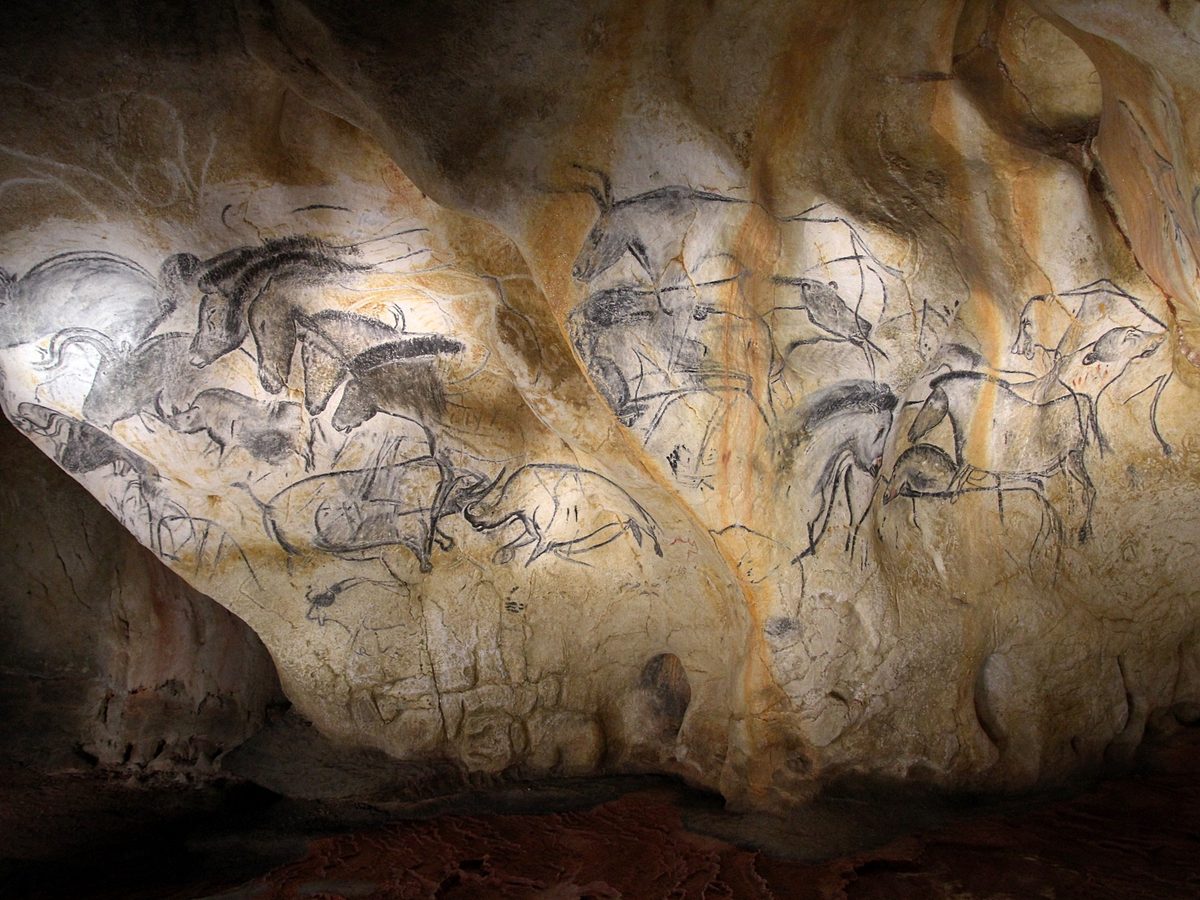
The Ancient Roots of Arts-Based Work
Art is as old as humanity itself. Long before written language, humans used symbols, rituals, and creativity to heal and build community.
Module 1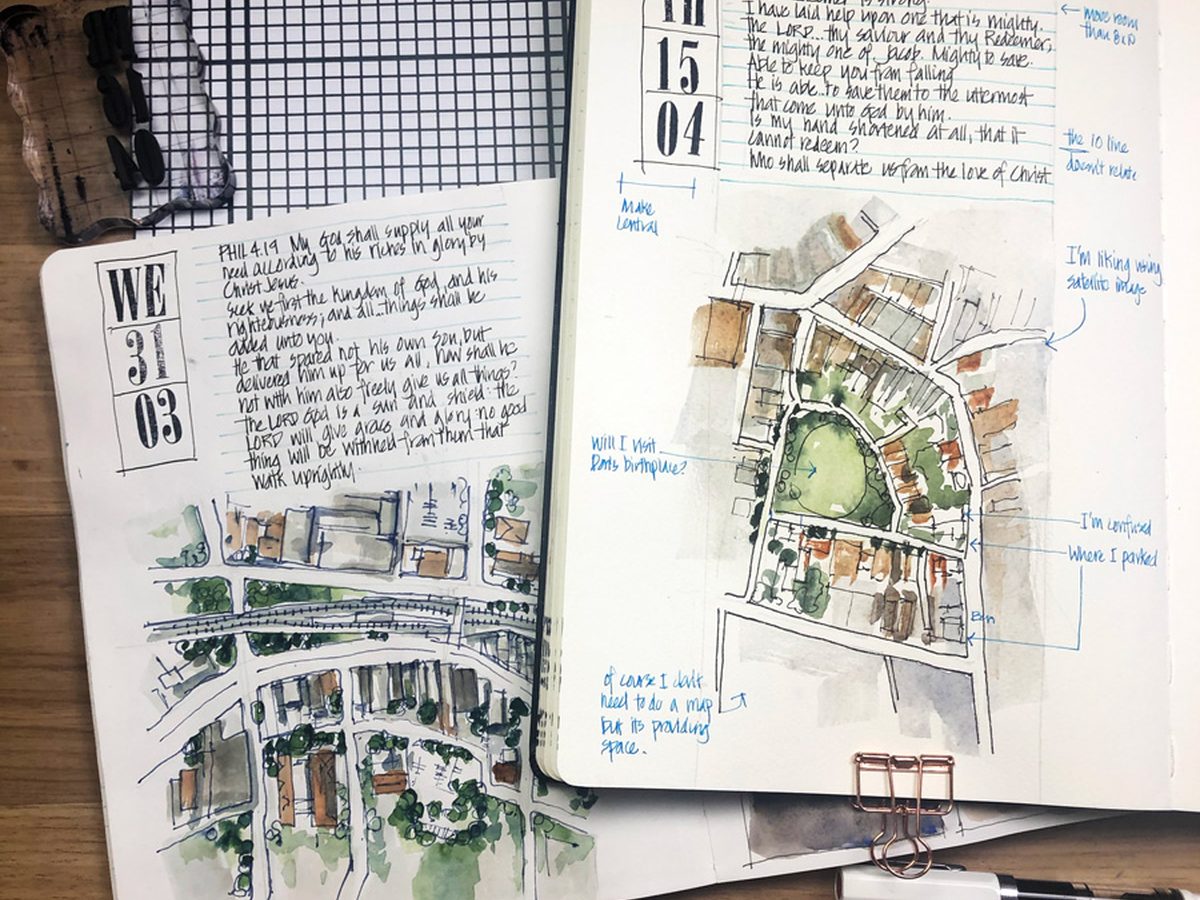
Module 2
Express Yourself Through Art
Visual arts provide young people with a creative way to express thoughts, feelings, and experiences that may be difficult to put into words. Activities such as drawing, collage, and visual journaling encourage reflection, self-awareness, and emotional exploration in a safe and supportive environment.
Module 2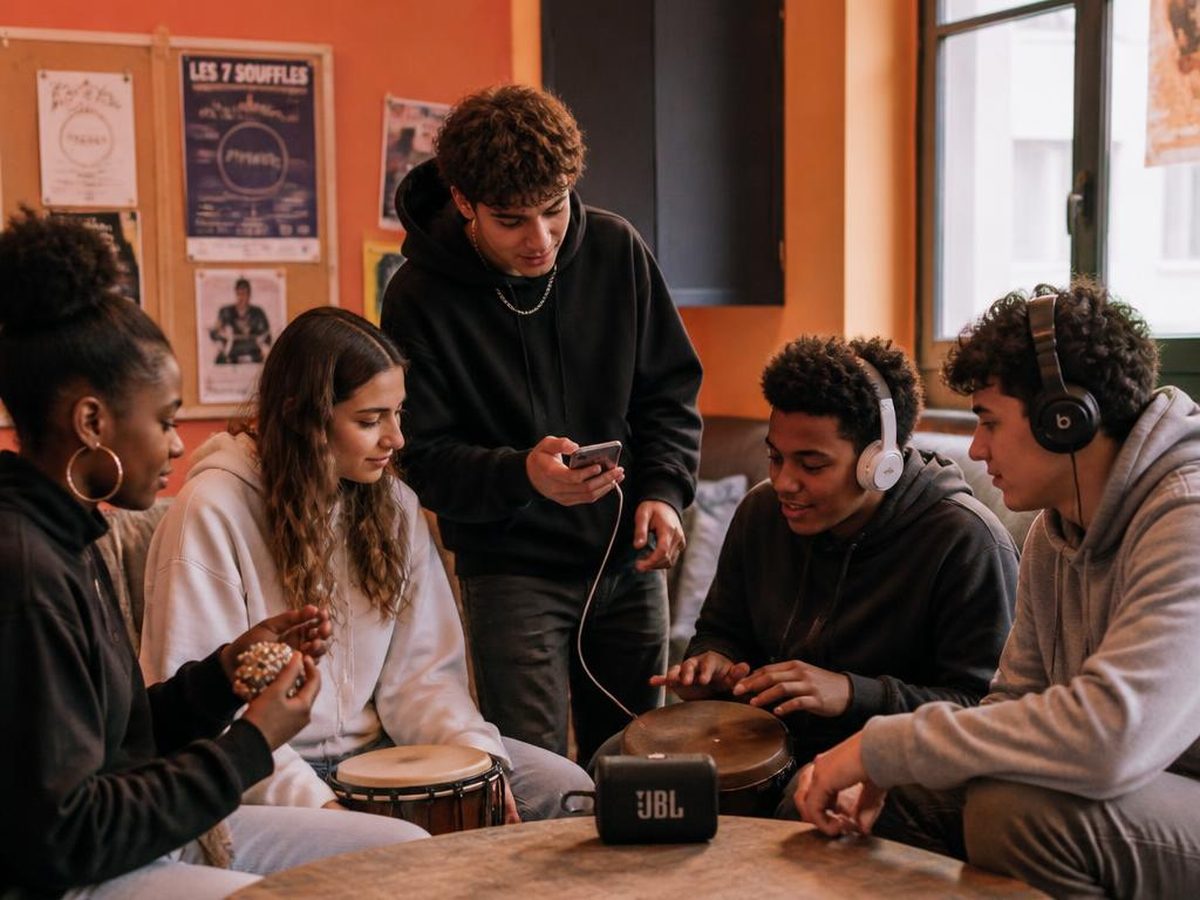
Module 3
Sound as Expression: Using Music to Support Emotional Awareness in Youth Work
Music is already part of many young people’s everyday lives. They use songs to relax, focus, remember important moments, cope with difficult feelings, or feel connected to others.
Module 3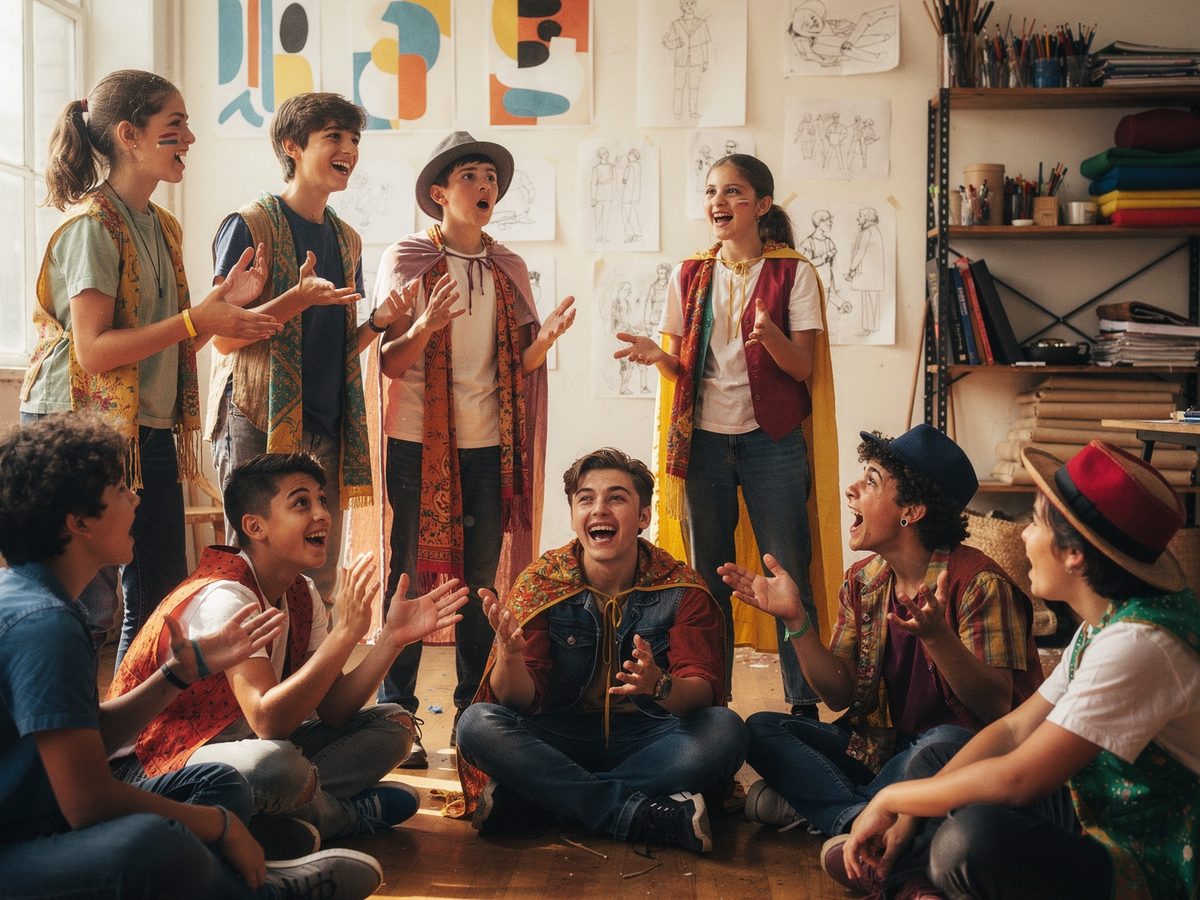
Module 4
Voices, masks and stories: exploring who I am through theatre and narrative.
Young people are in the middle of the process of answering, for us and for themselves, the oldest question in the world: Who am I? Storytelling and drama give permission to answer in a different way.
Module 4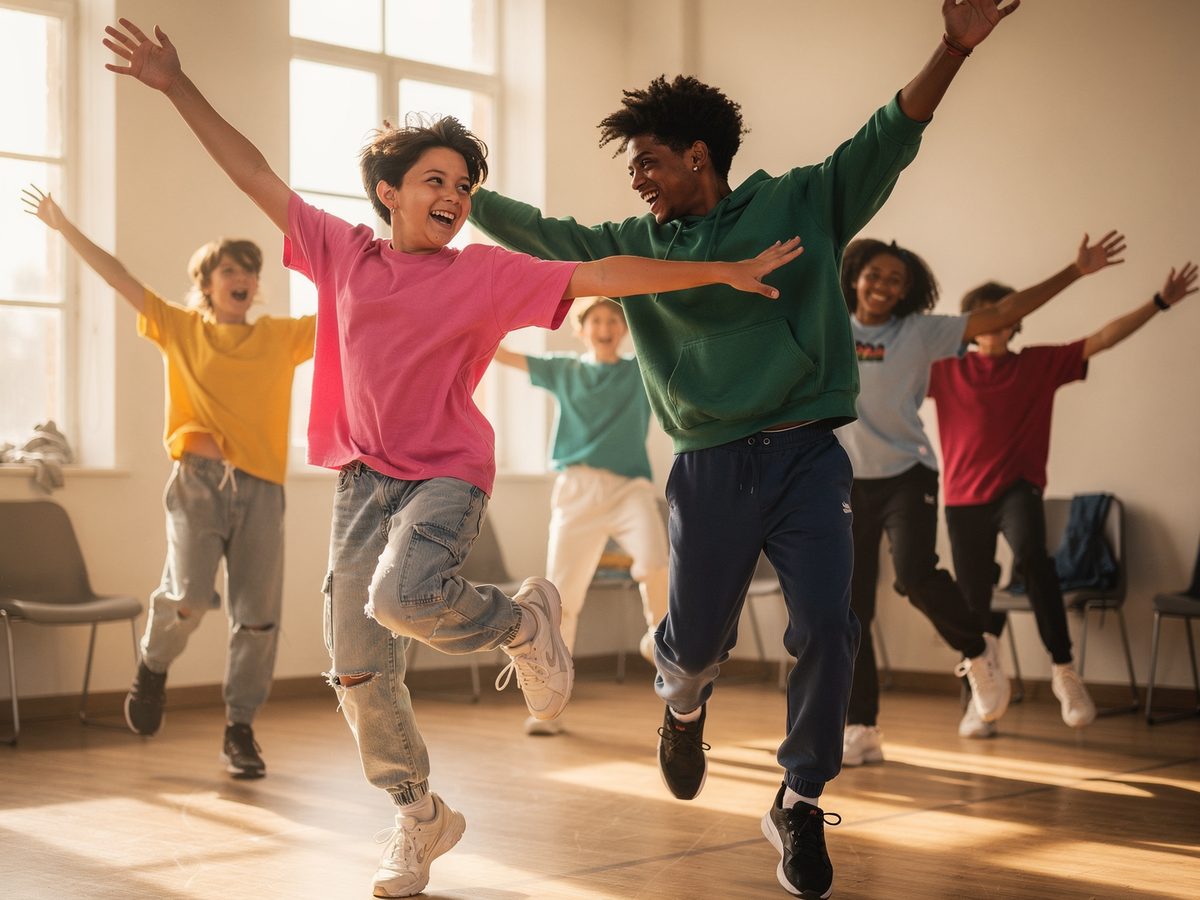
Module 5
Moving with Meaning: Body Awareness and Emotional Regulation
Many young people spend a lot of time "in their heads" - scrolling, worrying, or feeling the pressure to keep it together. This module explores how dance, movement, and body awareness help youth drop back into their bodies to feel calm, confident, and connected.
Module 5
Module 6
Peer Power in Creative Action
This module focuses on the power of peer-led collaboration. When young people create collectively, they move beyond producing art to sharing ideas, negotiating differences, and building a sense of belonging.
Module 6
Module 7
Creating Safe Emotional Spaces: presence, trust and care in arts-based youth work.
Arts-based youth activities open doors that ordinary conversation often keeps closed. A drawing, a movement, a theatre scene or a piece of music can bring young people closer to emotions they do not usually name: fear, shame, anger, loneliness, grief, confusion, desire, tenderness.
Module 7
Module 8
Digital Creativity: Using Online Tools for Youth Self-Expression
Digital tools are already part of young people’s everyday lives. They use phones, images, videos, music, memes, filters, and social media to communicate who they are and how they feel.
Module 8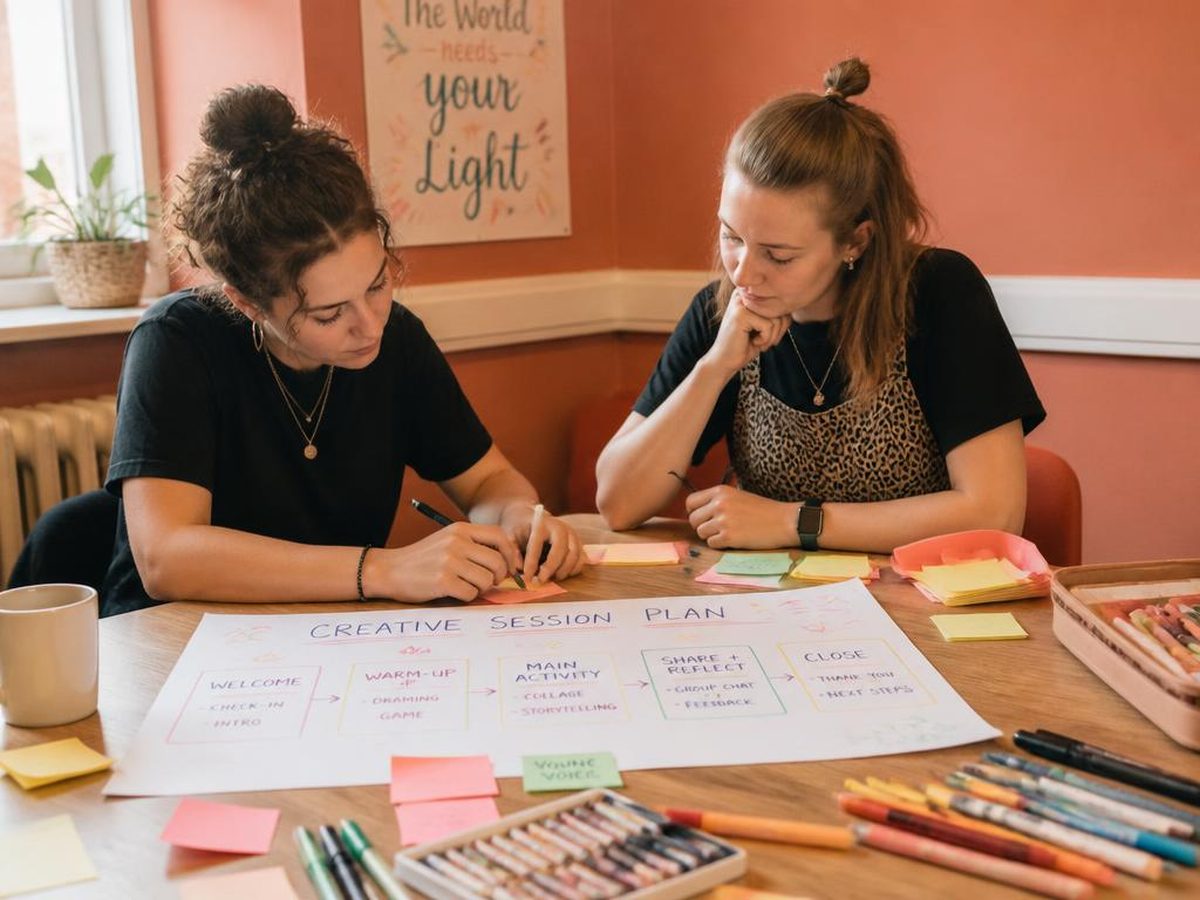
Module 9
Planning Creative and Engaging Youth Sessions
Creative activities can be powerful tools for youth engagement, self-expression, and learning. However, successful arts-based sessions do not happen by chance.
Module 9