Module 1
The Ancient Roots of Arts-Based Work
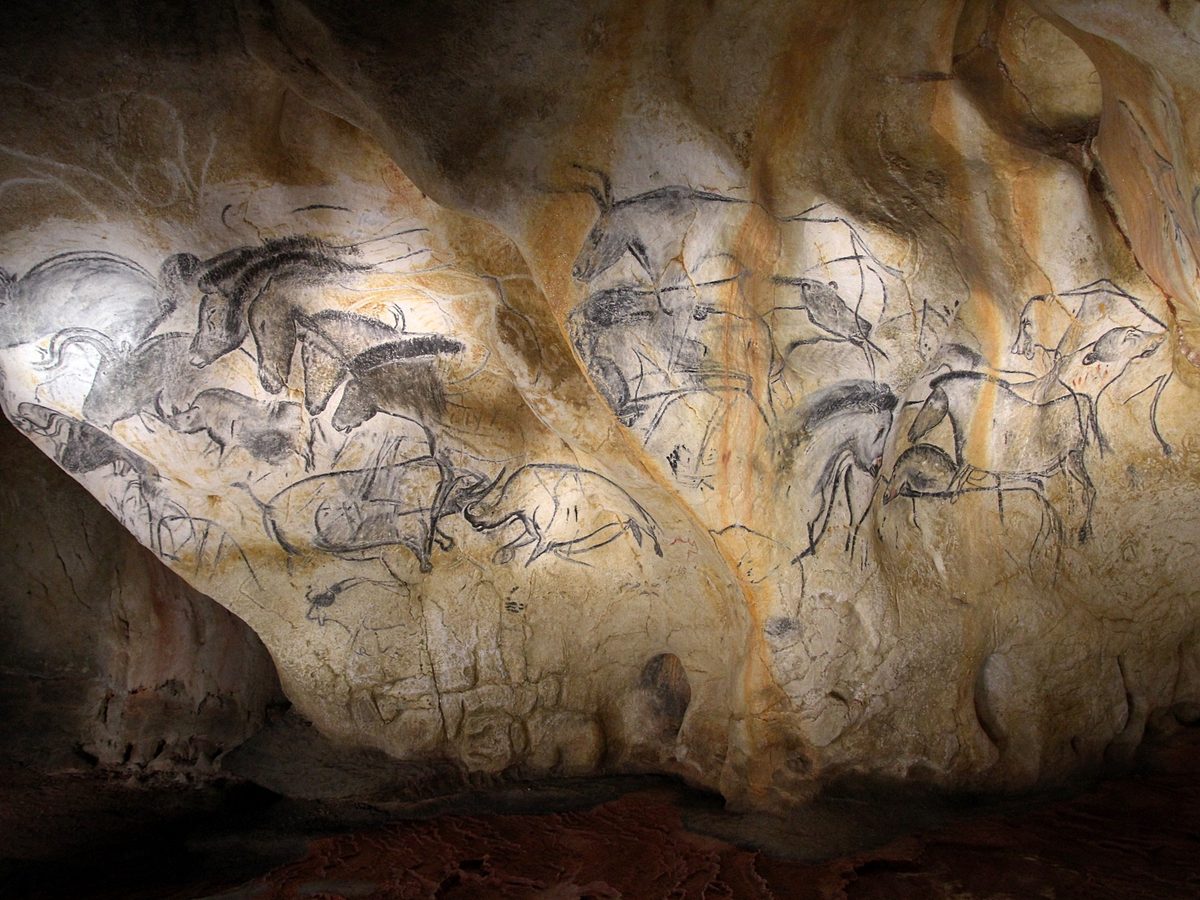
Art is as old as humanity itself. Long before written language, humans used symbols, rituals, and creativity to heal and build community.
Developed by: COMP
Short Introduction
Art is as old as humanity itself. Long before written language, humans used symbols, rituals, and creativity to heal and build community. This module explores how these ancient traditions evolved into modern therapeutic tools, helping youth workers use art intentionally to support identity formation and emotional release in adolescents.
Why This Topic Matters
Art is a universal human language that predates written words. For adolescents, who are navigating intense periods of identity formation, arts-based methods provide a non-verbal outlet to process internal experiences. Understanding these roots helps youth workers see art not as a "talent-based" hobby, but as a fundamental human need for healing and communication.
Key Concept
The most important shift in arts-based youth work is moving from "education" to "expression." In traditional settings, art is judged on how it looks (the product). In the ARTS framework, we focus on the act of creating (the process). The smudges, messy lines, and unfinished pieces are not mistakes, they are meaningful parts of a young person’s emotional journey.
Concept Explanation
Creative expression bridges the gap between an adolescent's inner feelings and the outside world: Emotional exploration: Based on Jung and Naumburg’s theories, art allows youth to "externalize" emotions as images. Once on paper, these feelings become visible and manageable rather than overwhelming.
Identity development: Based on Edith Kramer’s ideas, making art gives young people a sense of power. In a life where they often feel told what to do, the art paper is one place where they are the boss. By making their own creative choices, they build confidence and rewrite their own story in a safe, supportive space.
Real Youth Work Example
In a youth group setting, a facilitator provided simple materials like charcoal and recycled cardboard. One participant, who struggled with verbal communication, spent the entire session aggressively layering black charcoal until the cardboard tore. Rather than seeing this as "ruined" art, the worker recognized it as an emotional release of tension. By focusing on the process of movement and pressure, the young person felt "heard" without having to say a single word. Tip: If a participant is 'destroying' the material (like tearing the cardboard), ensure they have a safe surface underneath and extra materials nearby so the release can continue without interruption.
Reflection Question
Looking at the history of human expression, from cave paintings to modern street art, why do you think humans have always felt a biological need to create symbols? How does this change the way you view a "doodle" on a young person's notebook?
Self-Assessment Question
- In your current practice, how often do you catch yourself praising an artwork for looking "good" rather than asking about the process of making it?
- Frequently (I focus on the aesthetic result)
- Sometimes (I try to focus on the process but fall back on "it looks great")
- Rarely (I prioritize the young person's experience over the final look)
Interactive Scenario
The Situation: A participant is working on an abstract painting of their emotions. Suddenly, they accidentally spill black ink over a section they liked. They get angry and say, "I ruined it! It's garbage now," and prepare to throw it away.
Quiz
What is the best "ARTS-based" response?
- C) This follows the principle of Non-Judgment and Non-Interpretation. It treats the "accident" as part of the creative process and an opportunity for further emotional exploration.Reflection Questions for You:
- If you chose A or B, was your first instinct to "save" the artwork or "fix" the young person's mood?
- How does response C help the young person develop resilience when things go wrong?
- Think of a time an "accident" happened in your work. How could you have turned that moment into a creative conversation?
Additional self-help resources
Suggested Multimedia
- Comparison image: A side-by-side high-resolution photo. On t
- Comparison image: A side-by-side high-resolution photo. On the left, the Hall of the Bulls from the Lascaux Caves (France), featuring earthy ochre tones and animal silhouettes. On the right, a vibrant modern street mural created by a group of youth, showing overlapping colors and abstract shapes. Purpose: To visually prove that art-making is an ancient, survival-based human instinct. Process vs. Product: A simple graphic showing a "Perfect Drawing" with a red 'X' through it and a "Messy, Expressive Sketch" with a green checkmark. Purpose: To visually reassure youth workers that "messy" art is the goal for emotional exploration.
Resource checklist
Key takeaways from this module: