
Resources
Resources
Every module comes with extra resources: suggested multimedia, digital tools and visual inspiration for your sessions.
1. The Ancient Roots of Arts-Based Work
Module 1Suggested Multimedia
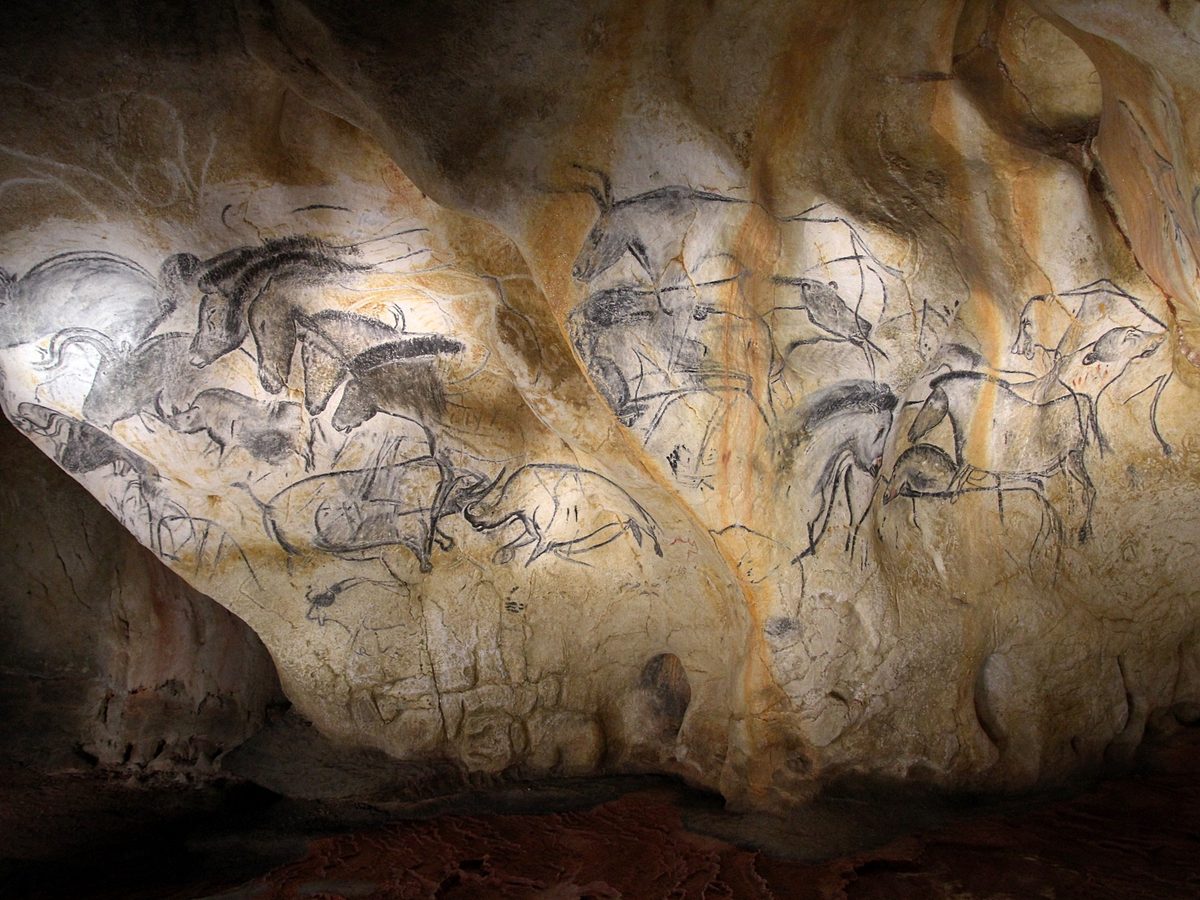
- Comparison image: A side-by-side high-resolution photo. On t
- Comparison image: A side-by-side high-resolution photo. On the left, the Hall of the Bulls from the Lascaux Caves (France), featuring earthy ochre tones and animal silhouettes. On the right, a vibrant modern street mural created by a group of youth, showing overlapping colors and abstract shapes. Purpose: To visually prove that art-making is an ancient, survival-based human instinct. Process vs. Product: A simple graphic showing a "Perfect Drawing" with a red 'X' through it and a "Messy, Expressive Sketch" with a green checkmark. Purpose: To visually reassure youth workers that "messy" art is the goal for emotional exploration.
Resource checklist
Key takeaways from this module:
2. Express Yourself Through Art
Module 2Visual Inspiration
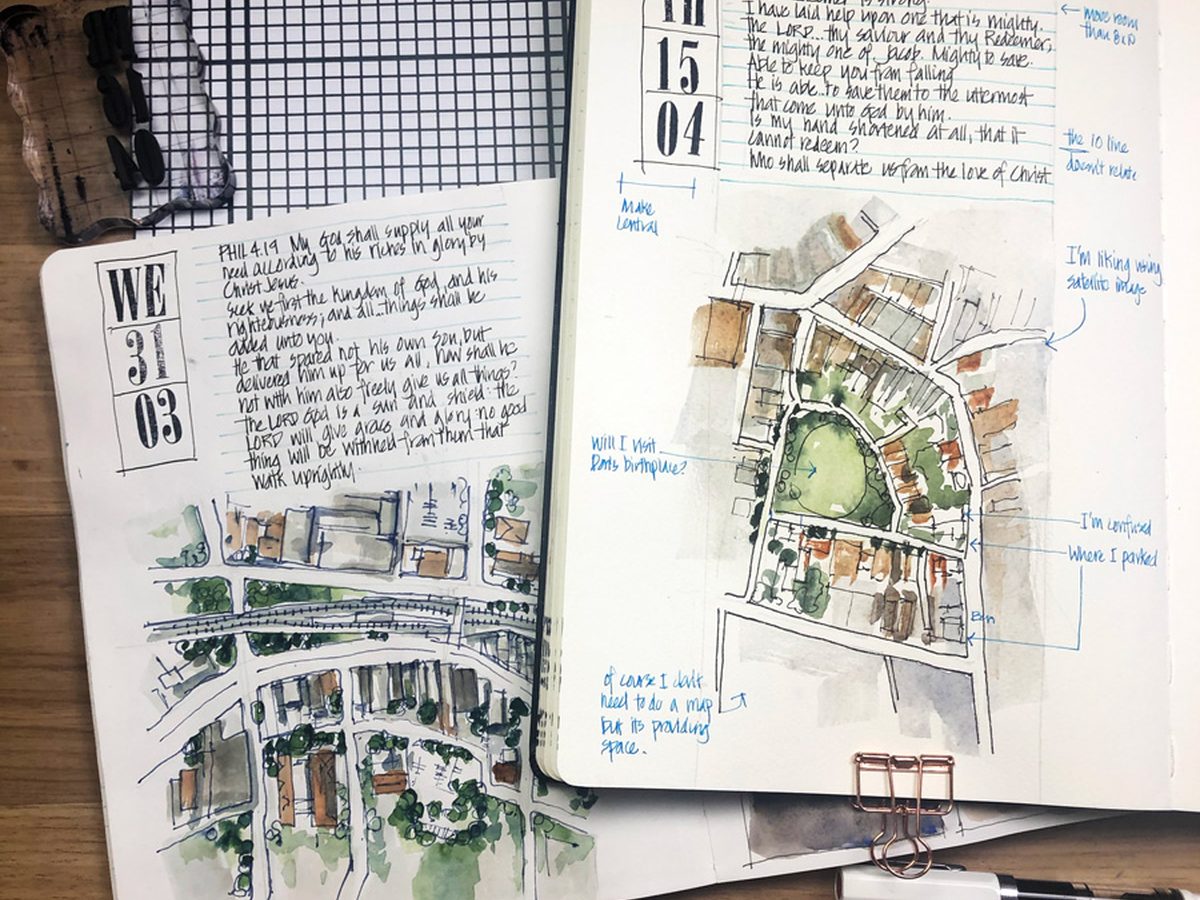
- Display a collection of simple symbolic artworks, colorful abstract paintings, or examples of personal symbols created from shapes, colors, and nature-inspired elements. Images such as a tree symbolizing growth, a butterfly representing transformation, a lighthouse symbolizing hope, or a heart made from collage materials can inspire participants to think creatively about representing their own identity and emotions.
3. Sound as Expression: Using Music to Support Emotional Awareness in Youth Work
Module 3Digital Tool Suggestion
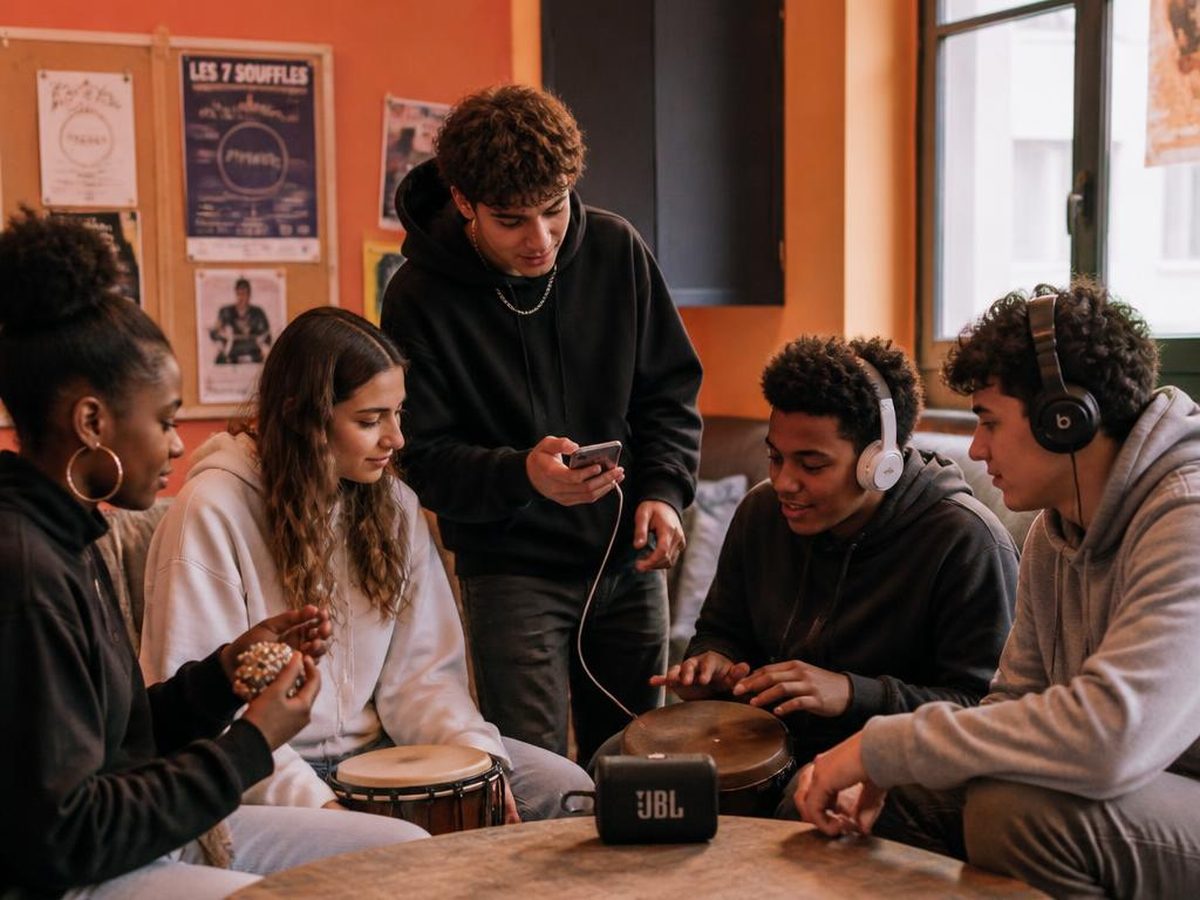
- Youth workers can use simple digital tools to support music-based activities. The tools should be selected according to the group’s age, privacy needs, internet access, and available devices.
- Spotify – Useful for creating playlists, mood soundtracks, or group listening activities. Youth workers can prepare playlists in advance or invite participants to suggest songs connected to emotions. Spotify provides access to a large music library and can be used on mobile devices or computers. Link:
- https://open.spotify.com/
- YouTube – Useful for playing music videos, instrumental tracks, soundscapes, nature sounds, or examples of rhythm and sound. Youth workers should preview content before using it, especially lyrics, comments, and visuals. Link:
- https://www.youtube.com/
- Soundtrap – Useful for groups that want to create simple music, beats, podcasts, or soundscapes. It can support collaborative sound-making and creative audio projects. Soundtrap offers online music-making tools with loops, instruments, and recording options. Link:
- https://www.soundtrap.com/musicmakers
- Padlet – Useful for creating a shared digital “mood wall” where participants can anonymously or openly add songs, emotions, colours, images, or reflections. Link:
- https://padlet.com/
- Mentimeter – Useful for quick anonymous polls, such as “What emotion did this sound create?” or “Which type of music helps you relax?” It can help quieter participants contribute without speaking aloud. Link:
- https://www.mentimeter.com/
- Facilitator note: When using digital tools, avoid asking young people to share private accounts. Use shared facilitator accounts, anonymous polls, or prepared playlists when possible.
4. Voices, masks and stories: exploring who I am through theatre and narrative.
Module 4Interactive practice resource
Module practice pack 4
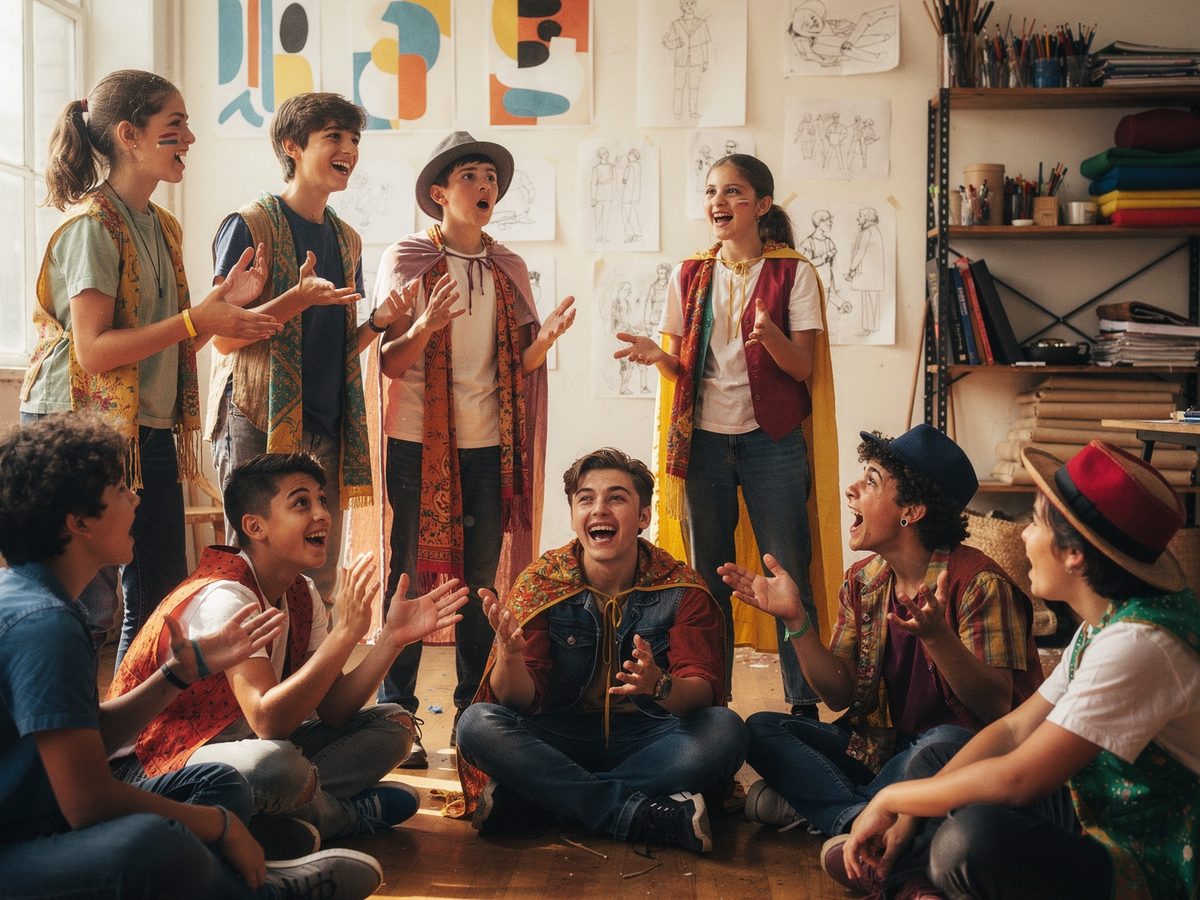
- Knowledge check, scenario and practice challenge
- Open module activities 4
- Use the questions and scenario to prepare a safe, inclusive arts-based youth-work session.
5. Moving with Meaning: Body Awareness and Emotional Regulation
Module 5Interactive practice resource
Module practice pack 5
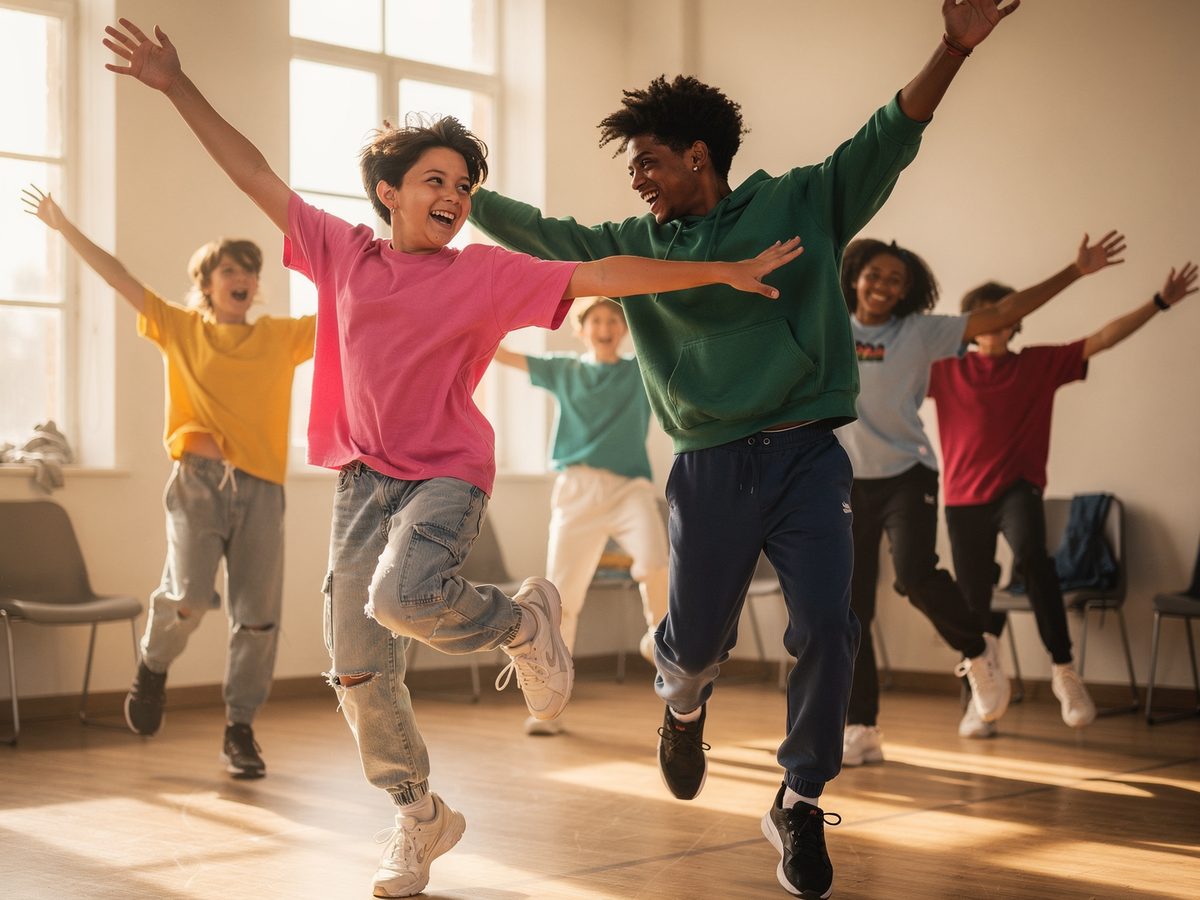
- Knowledge check, scenario and practice challenge
- Open module activities 5
- Use the questions and scenario to prepare a safe, inclusive arts-based youth-work session.
6. Peer Power in Creative Action
Module 6Interactive practice resource
Module practice pack 6
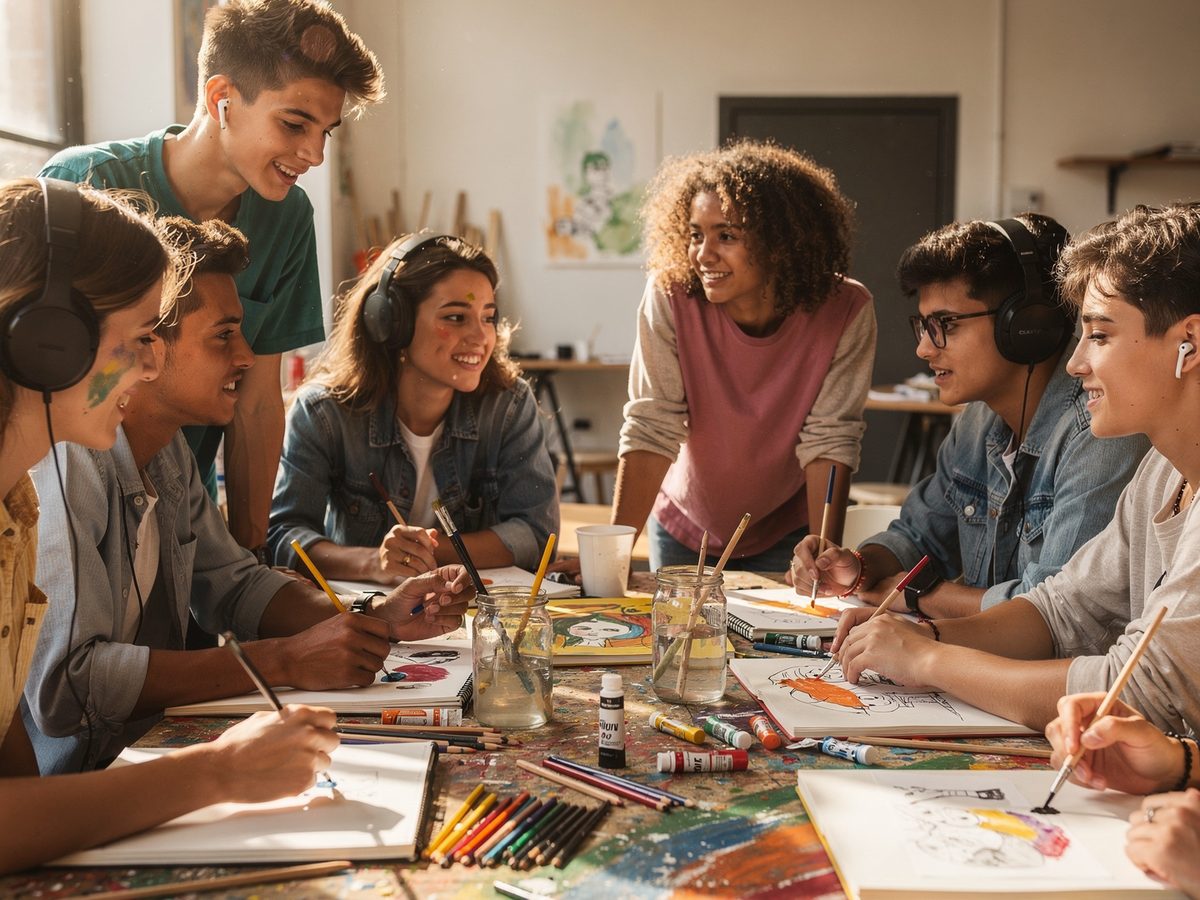
- Knowledge check, scenario and practice challenge
- Open module activities 6
- Use the questions and scenario to prepare a safe, inclusive arts-based youth-work session.
7. Creating Safe Emotional Spaces: presence, trust and care in arts-based youth work.
Module 7Interactive practice resource
Module practice pack 7

- Knowledge check, scenario and practice challenge
- Open module activities 7
- Use the questions and scenario to prepare a safe, inclusive arts-based youth-work session.
8. Digital Creativity: Using Online Tools for Youth Self-Expression
Module 8Interactive practice resource
Module practice pack 8

- Knowledge check, scenario and practice challenge
- Open module activities 8
- Use the questions and scenario to prepare a safe, inclusive arts-based youth-work session.
9. Planning Creative and Engaging Youth Sessions
Module 9Interactive practice resource
Module practice pack 9
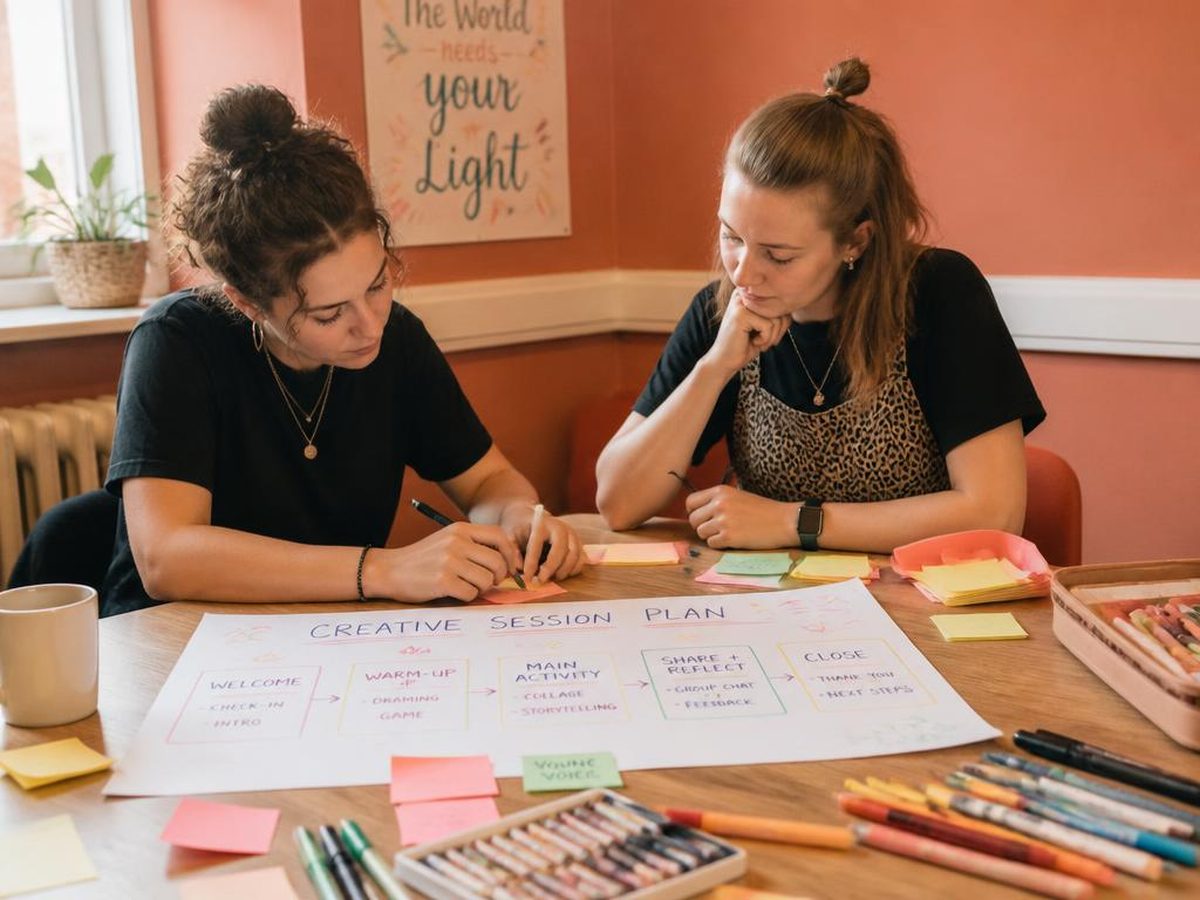
- Knowledge check, scenario and practice challenge
- Open module activities 9
- Use the questions and scenario to prepare a safe, inclusive arts-based youth-work session.
Resource checklist
Key takeaways from this module: