Module 2
Express Yourself Through Art
Visual arts provide young people with a creative way to express thoughts, feelings, and experiences that may be difficult to put into words. Activities such as drawing, collage, and visual journaling encourage reflection, self-awareness, and emotional exploration in a safe and supportive environment.
Developed by: CBA
Introduction
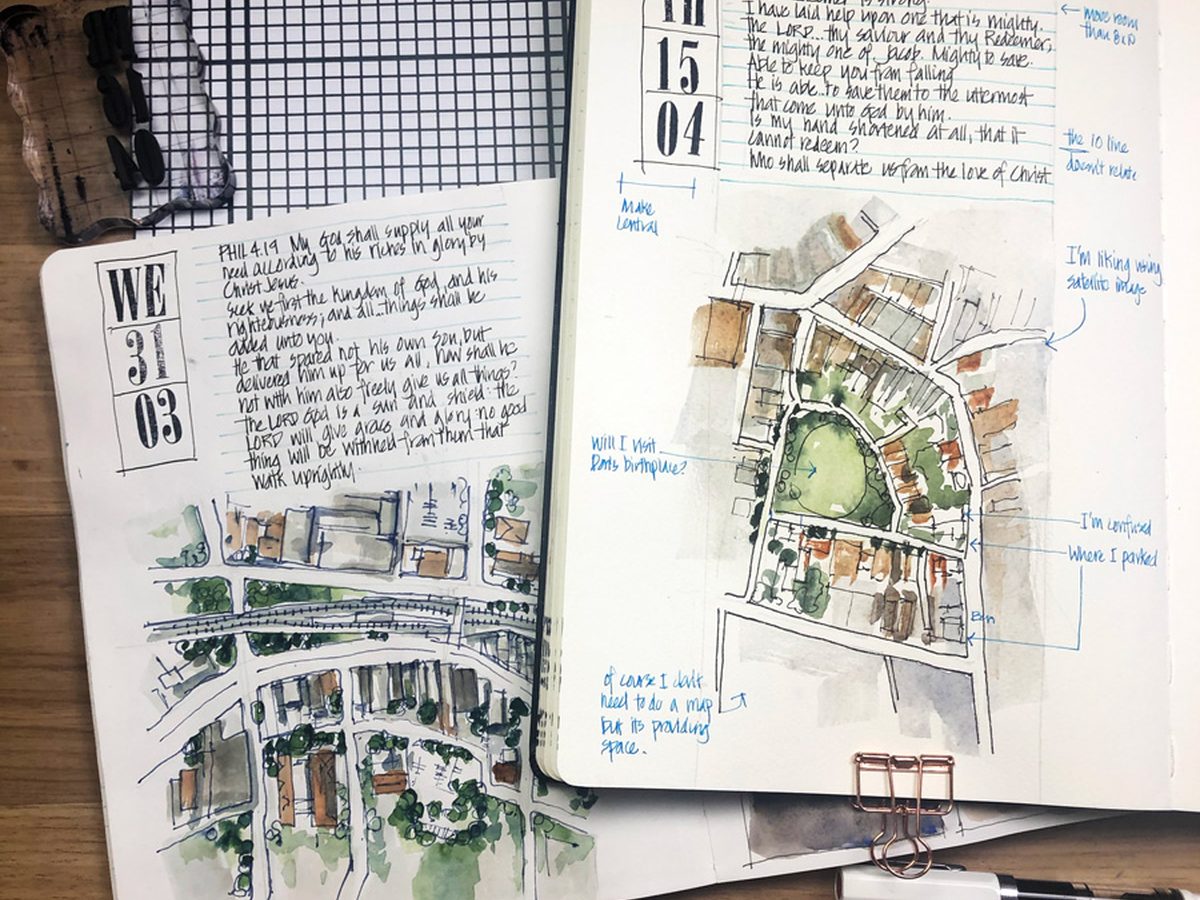
Visual arts provide young people with a creative way to express thoughts, feelings, and experiences that may be difficult to put into words. Activities such as drawing, collage, and visual journaling encourage reflection, self-awareness, and emotional exploration in a safe and supportive environment. In youth work, visual arts can help participants build confidence, communicate ideas, and connect with others through creativity.
Emotional Benefits
- Visual art activities can support emotional well-being by helping young people:
- Express emotions in a non-verbal way.
- Reflect on personal experiences and challenges.
- Reduce stress and promote relaxation.
- Build self-confidence through creative expression.
- Explore their identity, values, and aspirations.
- Drawing, collage, and visual journaling allow young people to communicate feelings without needing artistic experience or advanced skills.
Method Description
An emotion collage is a creative activity where participants use images, colors, words, and symbols to represent their feelings, experiences, or current state of mind. Participants select materials that resonate with them and arrange them on paper to create a personal visual story.
This method is suitable for youth work because it is accessible, flexible, and does not require drawing skills. It encourages self-reflection while allowing participants to share only what they feel comfortable sharing.
Example Activity
My Symbol
In this activity, participants create a personal symbol that represents an important part of who they are. The symbol can reflect a value, strength, interest, dream, or aspect of their identity. Participants then have the opportunity to share the meaning behind their symbol if they wish.
Materials Needed
- A4 paper or drawing paper
- Pencils
- Colored pencils, markers, or crayons
- Erasers
- Optional: magazines, scissors, and glue for creating mixed-media symbols
Step-by-Step Instructions
- Introduce the idea that symbols can represent thoughts, values, experiences, or personal qualities.
- Show a few simple examples of symbols (e.g., a tree representing growth, a bridge representing connection, a star representing hope).
- Ask participants to think about something important to them, such as a strength, value, hobby, goal, or dream.
- Invite them to create a symbol that represents this part of themselves.
- Allow 15–20 minutes for drawing and decorating the symbol.
- Once completed, ask participants to reflect on the meaning of their symbol.
- Invite voluntary sharing in pairs, small groups, or with the whole group.
- Conclude by highlighting that every symbol is unique and reflects individual experiences.
Interactive Prompt
Take 5–10 minutes to create a simple drawing that represents how you are feeling today. You can use colors, shapes, patterns, symbols, or objects instead of realistic pictures. There is no right or wrong answer—focus on expressing your emotions rather than creating perfect artwork. When finished, write one or two words describing your drawing, and if you feel comfortable, share its meaning with the group.
Reflection Questions
Reflection
- What does your symbol represent, and why did you choose it?
- What did you learn about yourself while creating your symbol?
- How might your symbol inspire or guide you in the future?
Quick Knowledge Check
Question
What is the purpose of using symbols in visual art activities?
Adaptation Tips
- For large groups, participants can display their symbols in a gallery walk and explore each other's work.
- For smaller groups, allow more time for discussion and personal sharing.
- For online sessions, participants can draw digitally using free tools or create symbols on paper and share them through the camera.
- For younger participants, provide examples of simple symbols and prompts to support idea generation.
Facilitator Tips
- Remind participants that there is no right or wrong way to create a symbol.
- Emphasize personal meaning rather than artistic quality.
- Encourage creativity and individual interpretation.
- Allow participants to share only what they feel comfortable sharing.
- Use positive language that celebrates effort, imagination, and self-expression.
Additional self-help resources
Visual Inspiration
- Display a collection of simple symbolic artworks, colorful abstract paintings, or examples of personal symbols created from shapes, colors, and nature-inspired elements. Images such as a tree symbolizing growth, a butterfly representing transformation, a lighthouse symbolizing hope, or a heart made from collage materials can inspire participants to think creatively about representing their own identity and emotions.