
Module 3
Sound as Expression: Using Music to Support Emotional Awareness in Youth Work
Music is already part of many young people’s everyday lives. They use songs to relax, focus, remember important moments, cope with difficult feelings, or feel connected to others.
Developed by: SMART
Introduction
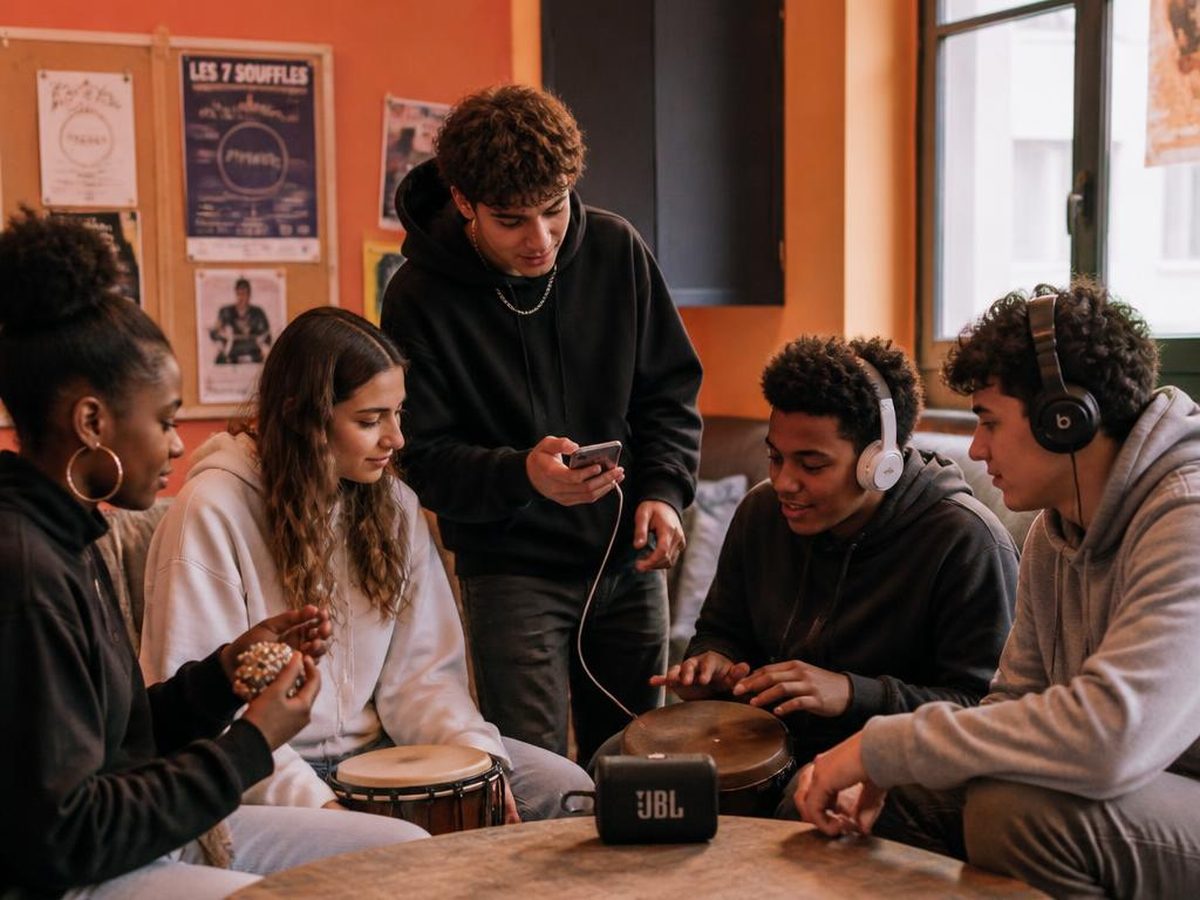
Music is already part of many young people’s everyday lives. They use songs to relax, focus, remember important moments, cope with difficult feelings, or feel connected to others. For youth workers, music and sound can become accessible tools for opening conversations about emotions without asking young people to explain everything directly. A rhythm, melody, playlist, or simple sound activity can help participants recognise what they feel, express it safely, and connect with others in the group. This module introduces practical ways to use music and sound in youth work, even when the facilitator has no musical background.
Key Concept
Sound affects both emotions and the body. A fast rhythm can increase energy, while a slow and steady rhythm may support calmness. Melody can carry sadness, hope, tension, or joy, even when there are no words. Volume, tempo, silence, repetition, and tone all shape how a sound is experienced. For adolescents, this is especially useful because emotions are often intense but difficult to describe. Music gives them another route to notice and express feelings. In youth work, the goal is not to analyse music professionally, but to help young people ask: What does this sound make me feel? What does it remind me of? What happens in my body when I hear it?
Concept Explanation
Music can support emotional awareness because it helps young people notice feelings that may be difficult to name directly. A song can reflect sadness, anger, hope, excitement, confusion, or calmness before a young person is ready to speak about those emotions. In youth work, this creates a softer entry point into reflection: instead of asking “How do you feel?”, a facilitator can ask, “What kind of sound matches your mood today?”
Music also supports connection within the group. When young people share songs, rhythms, or sounds, they often reveal something about their inner world in a way that feels natural and familiar. Listening to each other’s choices can build empathy, because participants begin to understand that others may experience similar emotions in different ways.
For youth workers, music-based activities are especially useful because they do not require expensive materials or musical skills. A phone, speaker, body percussion, voice, or everyday objects can be enough. The facilitator’s role is not to interpret the music for the young person, but to create a safe space where young people can notice, express, and reflect on what the music brings up for them. This approach follows the WP4 framework, which asks partners to create practical, accessible and interactive content for youth workers.
Real-Life Youth Example
During a youth centre session, the facilitator invited participants to choose one song that represented their current mood. One young person selected a very energetic song and said it helped them “hide stress by feeling powerful.” Another participant chose a slower instrumental track and explained that it matched the feeling of being tired after school but not wanting to talk about it.
The group listened to short parts of each song and reflected only on the mood, rhythm, and atmosphere, not on personal details. This made the activity feel safe and low-pressure. Some participants shared more openly than usual because they did not have to start with direct personal explanations.
The facilitator noticed that the songs created a bridge between individual emotions and group understanding. Participants began recognising similarities between their experiences, and the discussion moved naturally toward stress, peer pressure, and ways music helps them cope. The activity showed how music can support emotional expression, peer empathy, and group connection without requiring participants to perform or disclose anything they are not ready to share.
Example Activity
Activity: Mood Soundtrack Circle
This activity helps young people identify and express emotions through songs or sounds that feel personally meaningful to them. It is especially useful for groups where participants may find it difficult to speak directly about feelings, stress, identity, or personal experiences.
The facilitator invites each participant to choose one song, sound, or short music clip that represents their current mood or a feeling they have experienced recently. The song does not need to be shared in full. A short 30–60 second extract is enough. Participants may choose something with lyrics, instrumental music, nature sounds, a beat, or even silence if that feels more accurate.
After listening, participants are invited to describe the mood of the sound using one word, colour, image, or symbol. They do not need to explain personal details unless they want to. The facilitator then guides a short reflection on how different sounds can represent different emotional states.
The aim is not to judge music taste or analyse lyrics, but to help young people connect sound with emotional awareness. The activity can support emotional literacy, peer empathy, and group connection because participants begin to notice that different people may express similar feelings in very different ways.
This activity can also be used as a soft check-in at the beginning of a session or as a closing reflection after a more intense group activity.
Materials Needed
- Basic materials:
- Smartphone, tablet, or computer with access to music or sound clips
- Speaker, if working with a group
- Internet access, if songs will be played online
- Paper, sticky notes, or small cards
- Pens, markers, or coloured pencils
- Optional materials:
- Simple percussion instruments such as shakers, small drums, tambourines, or rhythm sticks
- Everyday sound-making objects, such as keys, cups, pencils, paper, stones, or bottles with rice
- Headphones, if participants prefer private listening
- Flipchart or board for creating a shared “mood wall”
Low-resource option:
The activity can be done without internet or devices. Participants can hum a rhythm, describe a song, tap a beat, use body percussion, or choose an everyday object to create a sound that represents their mood. This makes the activity accessible in settings with limited equipment.
Step-by-Step Instructions
1. Prepare the space
Arrange the room so participants can sit in a circle or small groups. Check that the speaker, phone, or computer works before starting. If participants will use their own phones, remind them to choose songs respectfully and avoid content that may be offensive, violent, or harmful for others.
2. Introduce the purpose
Explain that music can help us notice and express emotions without needing to explain everything directly. Clarify that this is not about judging music taste or analysing songs “correctly”. The aim is to explore how sound connects with feelings.
3. Start with a simple check-in
Ask participants to choose one word that describes their current mood, such as calm, tired, stressed, excited, confused, hopeful, or tense. They can say it aloud, write it down, or keep it private.
4. Invite participants to choose a song or sound
Give them a few minutes to choose one song, rhythm, sound, or short audio clip that represents their mood or a recent feeling. If they cannot choose a song, they can select a type of sound, such as rain, drums, silence, city noise, or a slow melody.
- Create mood cards
- Ask each participant to write or draw three things on a small card:
- the song or sound they chose
- one emotion connected to it
- one colour, symbol, or image that represents the feeling
6. Share in a low-pressure way
Invite volunteers to play 30–60 seconds of their song or describe their sound. Sharing should always be optional. Participants may share only the emotion or colour if they do not want to explain the personal meaning.
7. Guide group listening
After each song or sound, ask the group to listen respectfully. Avoid comments about whether the song is “good” or “bad”. Instead, guide attention toward mood, rhythm, energy, and atmosphere.
8. Connect the emotions
If appropriate, place the mood cards on a wall or table. Group similar emotions, colours, or symbols together. This can help participants see that different people may express similar feelings in different ways.
9. Close with reflection
End with a short discussion or quiet reflection. Ask what participants noticed about music, emotions, and group connection. Remind them that music can be one healthy tool for recognising, expressing, or regulating emotions.
Facilitator note: Keep the activity emotionally safe. Do not ask participants to explain personal memories behind a song unless they choose to do so. If strong emotions appear, acknowledge them calmly and offer a short pause or private check-in.
Interactive Listening Task
Task: Listen, Notice, Name
Play a short instrumental song, soundscape, or music clip lasting around 30–60 seconds. It can be calm, energetic, tense, joyful, melancholic, or ambiguous. Instrumental music is often useful because it allows participants to focus on sound and mood without being guided by lyrics.
- Ask youth workers to imagine using this task with a youth group. After listening, they should answer:
- What emotion does this sound seem to express?
- What part of the sound influenced your answer: rhythm, melody, speed, volume, repetition, silence, or tone?
- Could different young people interpret this sound differently? Why?
- How could this task help a young person talk about emotions indirectly?
Optional interactive version:
Create a quick poll with emotion options such as calm, tension, sadness, hope, anger, joy, confusion, or safety. After participants vote, compare the answers and discuss why the same sound may create different emotional responses.
Youth work application:
This task can be used as a short opening activity, emotional check-in, or reflection tool after a group session. It supports emotional vocabulary, active listening, and empathy because participants learn that feelings can be experienced and expressed differently by each person.
Reflection Questions
Reflection
Use these questions after a music-based activity to help participants reflect without pressure. Youth workers can choose 2–3 questions depending on the group’s mood and available time.
- What emotion did the song or sound bring up for you?
- Was it easy or difficult to connect music with a feeling?
- Did someone else’s song or sound help you understand their mood better?
- How did the rhythm, speed, or volume influence the way you felt?
- Can music help you calm down, release tension, or feel more confident? How?
- What kind of music do you usually turn to when you feel stressed, angry, sad, or overwhelmed?
Facilitators should remind young people that they do not need to explain personal memories connected to music unless they want to. The focus should stay on emotions, atmosphere, and self-awareness.
Interactive Quiz
Quiz
What is the main reason music can be useful in youth work activities focused on emotions?
B) It gives young people a non-verbal way to recognise and express feelings.
Short explanation: Music can help young people notice emotions, express feelings indirectly, and connect with others. The goal is not musical performance or correct interpretation, but emotional awareness and safe expression.
Facilitator Tips
• Set the emotional tone before playing music. Explain that music can bring up different memories and feelings, and that participants can always pass, observe, or take a break.
• Start with neutral or low-intensity sounds. Begin with instrumental music, nature sounds, or simple rhythms before moving into songs that may feel more personal or emotional.
• Manage volume and sensory comfort. Keep the sound at a comfortable level. Some young people may be sensitive to loud music, strong bass, or overlapping sounds. Offer quieter options when needed.
• Avoid judging music choices. Do not comment on whether a song is “good”, “bad”, “sad”, or “strange”. Instead, ask open questions such as: “What mood does this sound carry for you?”
• Use short clips. Playing 30–60 seconds is usually enough. This keeps the activity focused and prevents the group from losing concentration.
• Balance energy levels. If the group becomes too loud or excited, use a slower track, breathing moment, or silent pause. If the group feels low or withdrawn, use rhythm, clapping, or a more energetic sound to gently increase engagement.
• Make sharing optional. Some participants may feel exposed when sharing personal songs. Allow them to share only a colour, symbol, or emotion instead of explaining the full meaning.
• Close with grounding. End the activity with one calm sound, one-word check-out, or a short quiet moment so participants leave the session emotionally settled.
Additional self-help resources
Digital Tool Suggestion
- Youth workers can use simple digital tools to support music-based activities. The tools should be selected according to the group’s age, privacy needs, internet access, and available devices.
- Spotify – Useful for creating playlists, mood soundtracks, or group listening activities. Youth workers can prepare playlists in advance or invite participants to suggest songs connected to emotions. Spotify provides access to a large music library and can be used on mobile devices or computers. Link:
- https://open.spotify.com/
- YouTube – Useful for playing music videos, instrumental tracks, soundscapes, nature sounds, or examples of rhythm and sound. Youth workers should preview content before using it, especially lyrics, comments, and visuals. Link:
- https://www.youtube.com/
- Soundtrap – Useful for groups that want to create simple music, beats, podcasts, or soundscapes. It can support collaborative sound-making and creative audio projects. Soundtrap offers online music-making tools with loops, instruments, and recording options. Link:
- https://www.soundtrap.com/musicmakers
- Padlet – Useful for creating a shared digital “mood wall” where participants can anonymously or openly add songs, emotions, colours, images, or reflections. Link:
- https://padlet.com/
- Mentimeter – Useful for quick anonymous polls, such as “What emotion did this sound create?” or “Which type of music helps you relax?” It can help quieter participants contribute without speaking aloud. Link:
- https://www.mentimeter.com/
- Facilitator note: When using digital tools, avoid asking young people to share private accounts. Use shared facilitator accounts, anonymous polls, or prepared playlists when possible.